

Understanding Japan: A Cultural History
S1:E16 Hokusai and the Art of Wood-Block Prints
Katsushika Hokusai is the perfect entryway into the history of both Japanese wood-block prints and late Tokugawa society; ukiyo-e (floating world) pictures; Hokusai's iconic masterpiece; his encyclopedic collection of manga (sketches) and more.
Already subscribed?
Sign in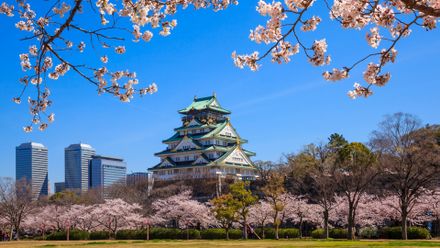
Japanese culture is shaped by powerful cycles of globalization and isolation; the earliest human habitation of Japan; the origins of its rich culture; the perfect starting points for dispelling common Western misconceptions about this island nation.
S1:E1 • Jul 24, 2015 • 34m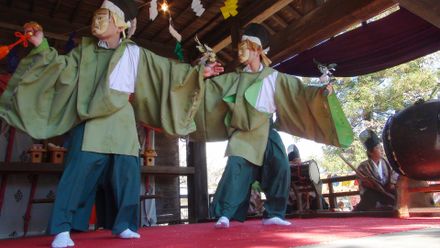
An introduction to ancient Japanese myths, collectively known as Shinto; the oldest written compilation of Japanese oral tradition, the Kojiki; stories about gods and heroes; the origins of the universe, the Rock Cave of Heaven and rival clans.
S1:E2 • Jul 24, 2015 • 30m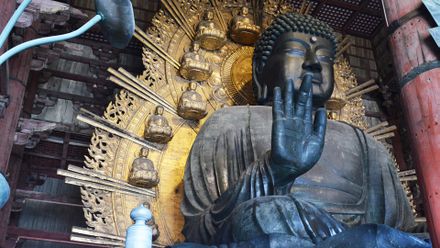
In the late 500s, Japan begins a project of state building that evolves into the emperor-led Ritsuryo state; the state's laws and accomplishments; how this political centralization is inspired by the emergence of powerful states in China and Korea.
S1:E3 • Jul 24, 2015 • 30m
A complex writing system; how spoken Japanese reflects a long-standing concern with order, hierarchy and consensus; social context is important when speaking Japanese; the linguistic consequences of adopting Chinese characters in Japanese writing.
S1:E4 • Jul 24, 2015 • 33m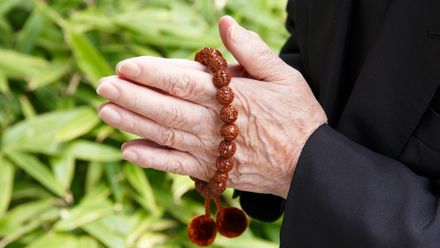
Professor Ravina explains why Buddhism is so appealing in ancient Japan; three key observations about the religion's earliest form; the two main strands of Japanese Buddhism; the more esoteric tradition of Shingon; the more accessible Pure Land.
S1:E5 • Jul 24, 2015 • 31m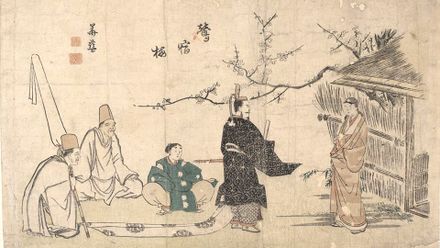
Japan's first period of isolation; the rise of the Heian court, ancient Japan's cultured and exclusive aristocracy; the powerful Fujiwara family; how the novel "The Tale of Genji" reveals the court's penchant for scandal and intrigue.
S1:E6 • Jul 24, 2015 • 28m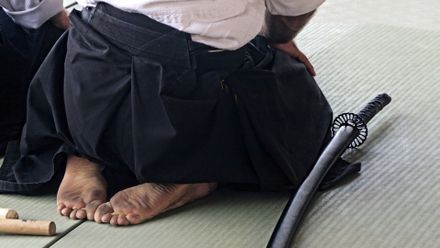
From the court in Kyoto to the countryside, where political infighting leads to the rise of Japan's first shogunate; the emergence of the samurai; the rise of warrior culture through the lines of "The Tale of the Heike", an epic ballad.
S1:E7 • Jul 24, 2015 • 29m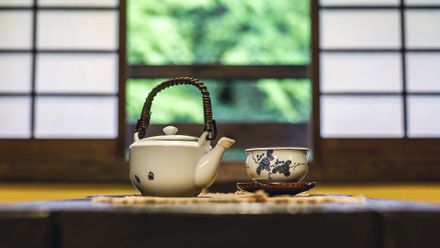
The decline of the court and the rise of the warrior class shape the evolution of Buddhist aesthetic, spiritual and philosophical concepts; the massive growth of Pure Land Buddhism, the dominant form in Japan today; the main schools of Zen Buddhism.
S1:E8 • Jul 24, 2015 • 30m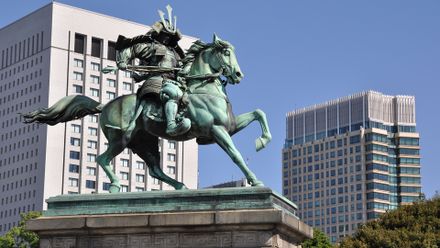
Samurai culture is constantly adapting to larger social and cultural changes; central to these changes is the Ashikaga dynasty; political turmoil under the Ashikaga leads to the samurai defining themselves with a culture of extreme loyalty.
S1:E9 • Jul 24, 2015 • 29m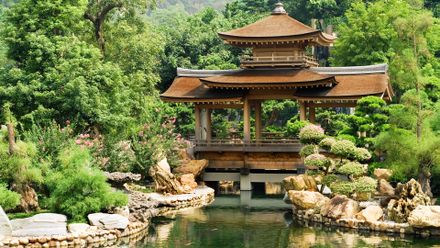
Japan's second great wave of globalization stretches from the 1300s to the early 1600s; competition with China's Ming dynasty; the new influence of the West, which brings guns and Christianity; the rule of Toyotomi Hideyoshi, a powerful warlord.
S1:E10 • Jul 24, 2015 • 30m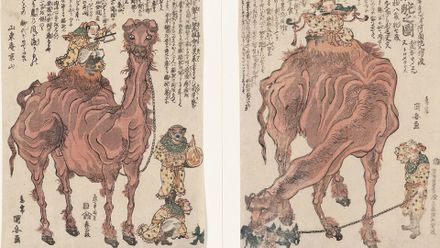
Lasting for over 250 years, the Tokugawa shogunate curtails globalization and Christianity; an insightful look at what is really meant by isolation; how Japan is shaped by foreign cultures even when most Japanese are banned from traveling overseas.
S1:E11 • Jul 24, 2015 • 31m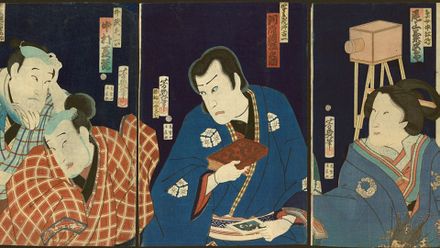
The major forms of Japanese theater are Noh (the high classical form) and Kabuki (the popular form); two key theatrical works; "Atsumori" is rich in lofty ideals; "The Scarlet Princess of Edo" is full of crude decadence; what these traditions share.
S1:E12 • Jul 24, 2015 • 28m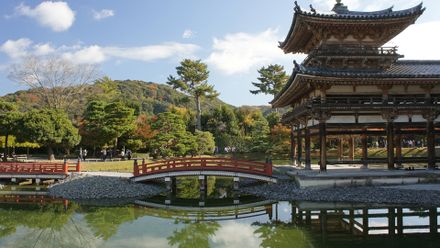
Japanese gardens are popular tourist destinations, cultural treasures and even UNESCO heritage sites; the splendor and harmony of some of Japan's tea gardens, rock gardens and strolling gardens; expressions of religious and cultural ideals.
S1:E13 • Jul 24, 2015 • 30m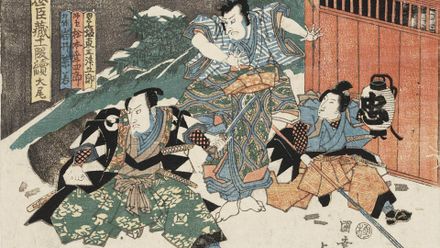
Ravina adds depth to one's understanding of Japan's warrior ethos, bushido; a samurai's petulant memoir; the vendetta of the 47 ronin; the deep nostalgia that lies at the heart of this aspect of Japanese culture; a longing for a lost age.
S1:E14 • Jul 24, 2015 • 29m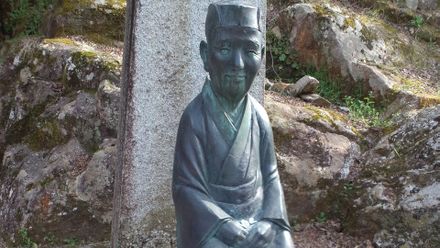
The best-known styles and voices of Japanese poetry; the oldest surviving Japanese poems; the development of tanka, the classical five-line form; renga, a single poem written by multiple poets; the emergence of haiku, Japan's popular form of poetry.
S1:E15 • Jul 24, 2015 • 32m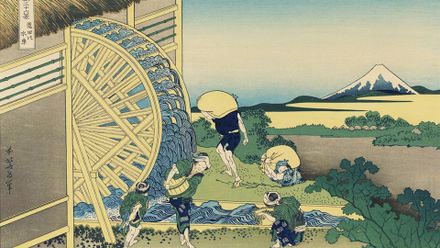
Katsushika Hokusai is the perfect entryway into the history of both Japanese wood-block prints and late Tokugawa society; ukiyo-e (floating world) pictures; Hokusai's iconic masterpiece; his encyclopedic collection of manga (sketches) and more.
S1:E16 • Jul 24, 2015 • 30m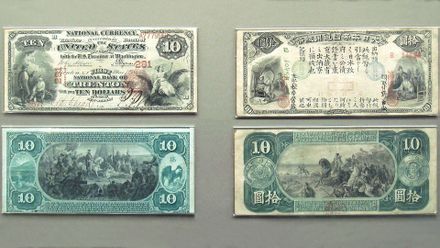
The Meiji Restoration; the start of the third major period of Japanese globalization; a vibrant synthesis of tradition and modernity; the abolition of the samurai class; the restructuring of land ownership; Japan achieves revolutionary change.
S1:E17 • Jul 24, 2015 • 30m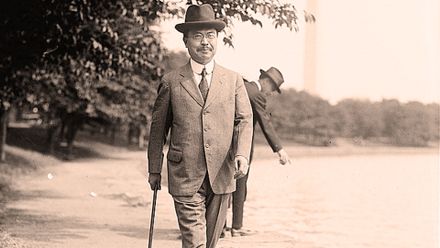
The story of early 20th-century Japan; the ideologies of three individuals whose competing views shape Japan's actions on the eve of World War II; Nitobe Inazo and Shidehara Kijuro are proponents of democracy; Ishiwara Kanji is a die-hard militarist.
S1:E18 • Jul 24, 2015 • 32m
A political culture dominated by fanatics; the quagmire of the Sino-Japanese War; the takeover of Manchuria and the puppet government of Manchukuo; Japan's failure in attacking Pearl Harbor; the disorganized chaos of World War II-era Japan.
S1:E19 • Jul 24, 2015 • 29m
The three main models of Japanese family life; the aristocratic model (uji), the samurai model (ie) and the postwar model; along the way, learning about shifting attitudes toward domestic life, including women's rights and family planning.
S1:E20 • Jul 24, 2015 • 29m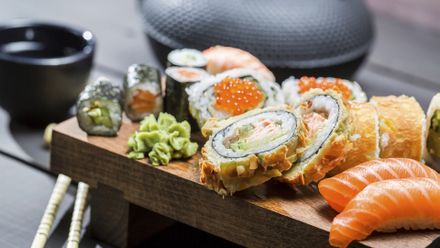
There is much more to Japanese cuisine than just sushi; the enormous diversity and complexity of Japan's culture of food; foods like soba noodles, tempura, and yakitori; the rituals of eating them; reflecting the waves of globalization and isolation.
S1:E21 • Jul 24, 2015 • 28m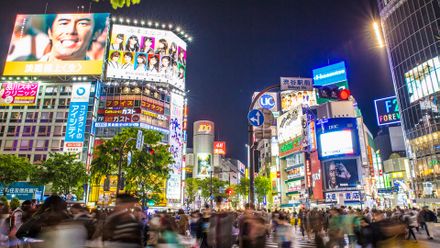
From 1955 to 1975, the Japanese economy grows more than 435%; a rate that economists refer to as the Japanese Miracle; the six factors that lead to this unprecedented growth; the country's cheap and motivated workforce; the influence of US.
S1:E22 • Jul 24, 2015 • 31m
Japan's iconic filmmakers are Ozu Yasujiro and Kurosawa Akira; their best films reflect lasting connections to world cinema; Ozu's 1953 masterpiece "Tokyo Story" is inspired by an American domestic drama; Kurosawa's rousing 1961 adventure "Yojimbo".
S1:E23 • Jul 24, 2015 • 29m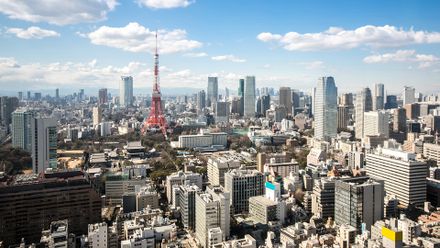
Knowing makes 1989 a watershed in contemporary Japan; four pivotal moments from that year whose repercussions are still felt in the Japan of the 21st century; the death of Hirohito, China's Tiananmen Square Massacre; a dramatic stock market crash.
S1:E24 • Jul 24, 2015 • 36m