

The Pagan World: Ancient Religions Before Christianity
Meeting the ancient polytheistic peoples of the Mediterranean and beyond; their gods and goddesses; their public and private worship practices; better understanding the foundational role religion plays in their daily lives; knowledge of their world.
Already subscribed?
Sign in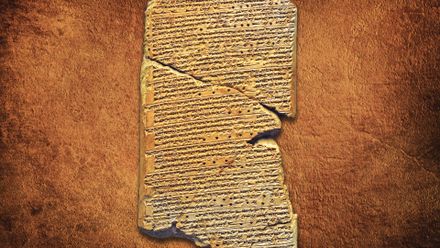
Exploring the ways in which the ancient peoples of Mesopotamia try to understand, worship and cultivate supernatural forces in the world around them; how the Enuma Elish, the great Mesopotamian creation myth, mirrors current human concerns.
S1:E1 • Feb 28, 2020 • 35m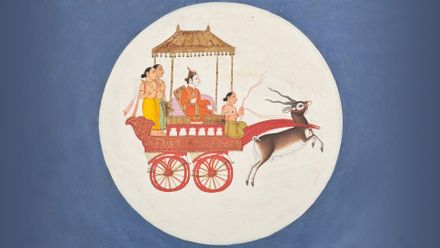
The early religions of India are still thriving; exploring the ancient Rigveda, one of the four sacred texts of modern Hinduism, an ancient collection of Sanskrit hymns, it is alive with riddles and paradoxes that leave room for speculation.
S1:E2 • Feb 28, 2020 • 32m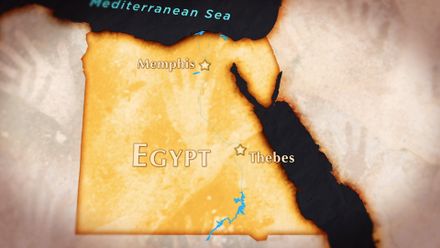
How the Egyptian Book of the Dead and a pyramid inscription reveal the existence of the creator god Atum; what happens to Atum when the cities of Memphis and Karnak rise to power; how political power and religion are interwoven in ancient Egypt.
S1:E3 • Feb 28, 2020 • 30m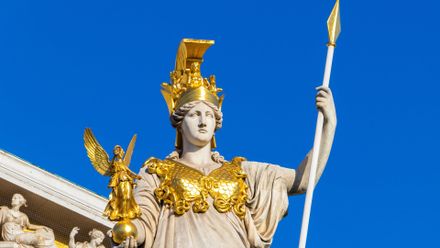
Greek gods and goddesses form the basis of religion in Ancient Greece; learning about this relationship between myth and religion; exploring the puzzle of Zeus; whether Zeus could be a single god with many "persons" or many different gods.
S1:E4 • Feb 28, 2020 • 32m
The daily life of the ancient Athenian family is dominated by the gods who protect and bless their homes; the many ways in which these household gods are woven into the fabric of daily life; who is responsible for the household religious activities.
S1:E5 • Feb 28, 2020 • 30m
Animal sacrifice plays a central role in the relationship between people and their gods; the required elements for an honorific, atoning or sacramental animal sacrifice; how the sacrifice benefits those involved; what the gods require of the animal.
S1:E6 • Feb 28, 2020 • 30m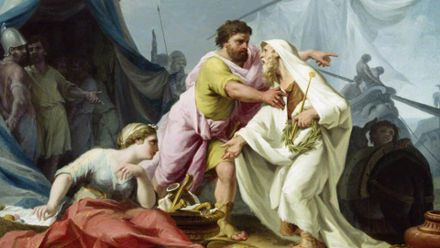
For ancient peoples, signs from the gods exist everywhere; exploring the many ways in which the people and their gods communicate with each other; why no army moves forward to the battlefield without their soothsayers and priests.
S1:E7 • Feb 28, 2020 • 27m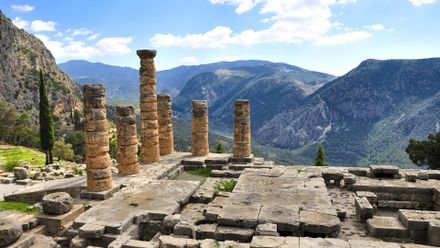
Exploring the Temple of Apollo at Delphi and the Sanctuary of Asclepius at Epidaurus; learning about the sporting events, libraries, hospitals and even racetracks at these significant shrines in addition to the expected altars.
S1:E8 • Feb 28, 2020 • 27m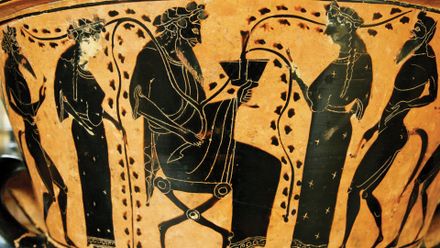
Public worship celebrations provide a political benefit; some gods are worshipped in private cults requiring membership and initiation rites; learning about the benefits of such membership, both in this world and the next, particularly for women.
S1:E9 • Feb 28, 2020 • 29m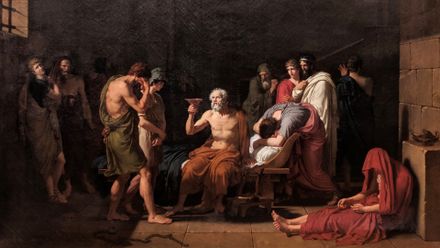
Exploring the outlier philosophies of the Pythagoreans, Orphics, Stoics and more; most of these small, isolated groups are not a threat to the state's status quo; if the state feels threatened, it reacts forcefully, as in the execution of Socrates.
S1:E10 • Feb 28, 2020 • 32m
The ancient Greeks consider it a duty to bury their dead; long after burial, people bring offerings to the dead; why these rituals are significant to the state; why they become a powerful force for conservative values opposed to innovation.
S1:E11 • Feb 28, 2020 • 29m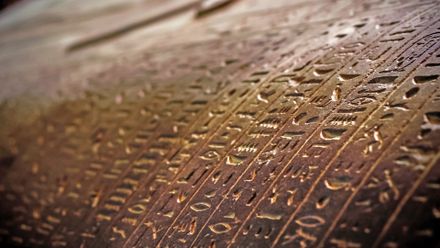
Egyptian religion impacts the religions of the Mediterranean world; what these ancient peoples believe about the potential for a soul to become immortal; the location of the afterlife in the West; why the dead need nourishment from the living.
S1:E12 • Feb 28, 2020 • 28m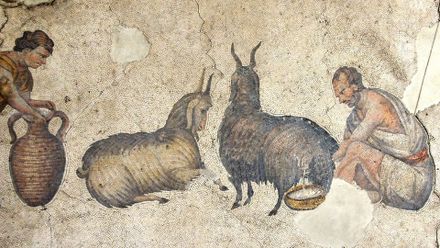
How the descendants of the founders of Rome conquer the Mediterranean; their greatest strength is their religion; learning about the cultus deorum; how precise relationships with dead ancestors and the gods allow the Roman culture to flourish.
S1:E13 • Feb 28, 2020 • 31m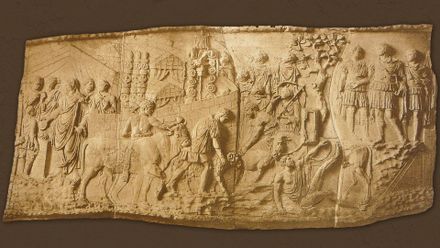
Exploring the great pantheon of gods that influence everything; how women's religious activities reflect their roles in a patriarchal culture, such as in the involvement of four goddesses and two gods to oversee the consummation of marriage.
S1:E14 • Feb 28, 2020 • 29m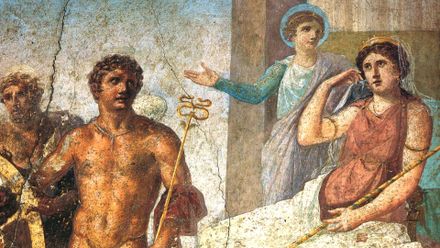
Rome incorporates conquered peoples into its body of citizens; how they also incorporate the gods of the conquered in a practice known as interpretatio Romana; summoning a deity from an enemy city is a formal process; the stories of Juno and others.
S1:E15 • Feb 28, 2020 • 31m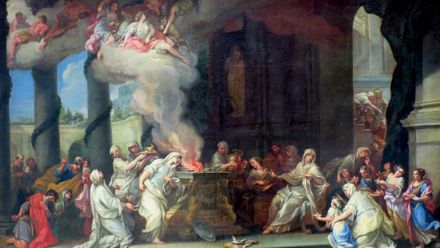
The four collegia of priests, the pontiffs and the Vestal Virgins play roles in Roman religion; they play a crucial role in maintaining stability by calming the deities and keeping them on Rome's side; the state's survival depends on them.
S1:E16 • Feb 28, 2020 • 34m
The calls, flight patterns and eating styles of various birds are all signs from the gods; exploring the college of priests; the Sybilline Oracles; the detailed rituals of divination required before state officials take any decisive action.
S1:E17 • Feb 28, 2020 • 36m
Rome cannot tolerate people assembling on their own to worship without state supervision; examining the Bacchanalia; why Rome considers worshippers of Bacchus an existential threat to the state; why the practice is violently suppressed.
S1:E18 • Feb 28, 2020 • 35m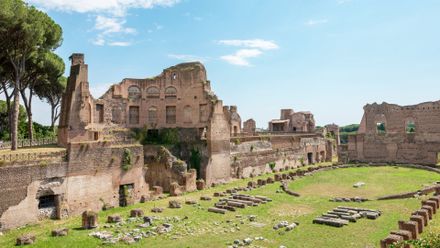
The college of pontiffs is responsible for keeping track of the Roman calendar; by historical times, the calendar is completely out of sync; how and why Julius Caesar reorganized the calendar into a version very close to what is used today.
S1:E19 • Feb 28, 2020 • 34m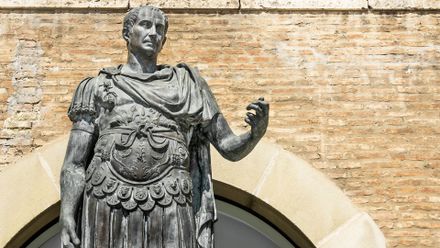
Julius Caesar begins his public religious career as a teenager; how he uses his success in the priesthood, politics, the military and finance to become a dictator and have the Senate declare him a god after his death.
S1:E20 • Feb 28, 2020 • 34m
The deification of Julius Caesar represents a turning point in Rome's religion; how and why Octavius institutes a monarchy that appears to be a republic; how the worship of his family and his personal authority transform traditional religion.
S1:E21 • Feb 28, 2020 • 34m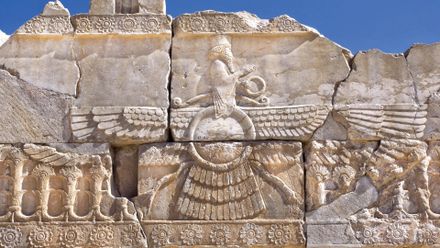
Exploring the similarities and differences between Judaism, Zoroastrianism and emerging Christianity; how the empire initially accommodates their teachings and actions; learning about the grievances on all sides.
S1:E22 • Feb 28, 2020 • 31m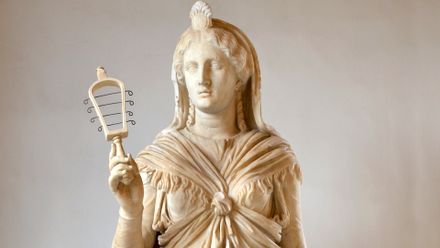
The religion of the majority in Rome and Italy in late antiquity; exploring the relationships between paganism, Manichaeism and Isis worship at the time of the rise of Christianity; why Rome's rulers cannot accept or tolerate Christianity.
S1:E23 • Feb 28, 2020 • 31m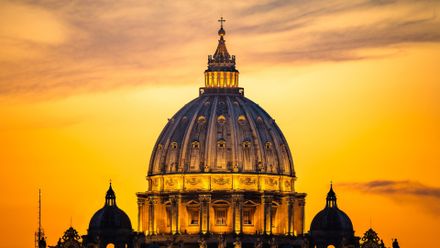
Individually, it is relatively easy for people to convert to Christianity because it offers many familiar aspects of traditional religion; it explores the many reasons why the Roman Empire finally adopts Christianity as its official faith.
S1:E24 • Feb 28, 2020 • 37mMore Like This
 TVPG • 1 season
 TVPG • 1 season
 TVPG • 1 season
 TVPG • 1 season
 TVPG • 1 season
 TVPG • 1 season
 2021 • TV14 • 1h 49mDetails
 TVPG • 1 season
 TVPG • 1 season
 TVPG • 1 season
 TVPG • 1 season
 TVPG • 1 season
 TVPG • 1 season
 TVPG • 1 season
 TVPG • 1 season
 TVPG • 1 season
 TVPG • 1 season
 TVPG • 1 season
 TVG • 1 season
 TVPG • 1 season