

Foundations of Eastern Civilization
Eastern civilization has a fascinating story with important consequences; the accomplishments of Eastern civilization, from the material economy of day-to-day life to the political and religious philosophies that bind Eastern cultures together.
Already subscribed?
Sign in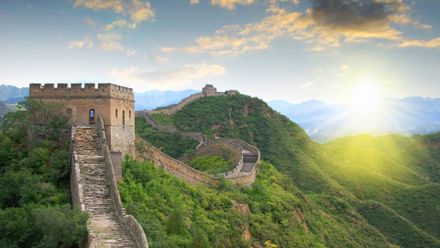
Beginning the voyage through the geography, history, people and culture of Eastern civilization with a reflection on the words "Eastern", "civilization" and "foundations"; preparing for the journey to come.
S1:E1 • Oct 25, 2013 • 30m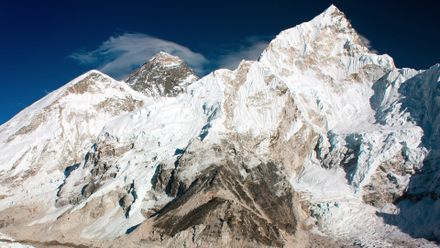
Starting with the geography and climate of China, the cradle of Eastern civilization; looking at the geographical regions of China; exploring the country's two great river systems, which divide Chinese culture into two distinct regions.
S1:E2 • Oct 25, 2013 • 28m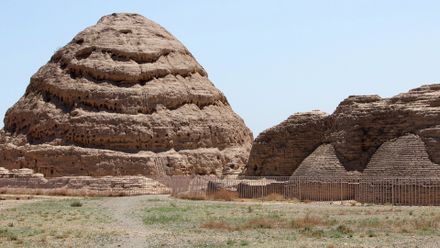
The beginnings of Chinese history; what archeological evidence shows about humans in the Paleolithic and Neolithic eras; looking at the fragmented cultures of early civilizations, including the mysterious Xia dynasty.
S1:E3 • Oct 25, 2013 • 30m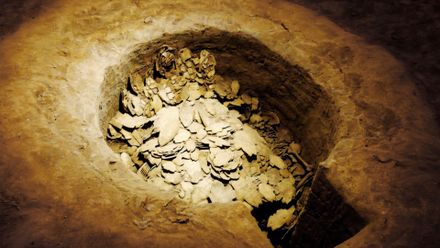
Looking at evidence that the Shang dynasty is responsible for the development of Chinese writing, a complex social structure and the first large cities in East Asia; visiting the cities and tombs of the first significant Chinese dynasty.
S1:E4 • Oct 25, 2013 • 28m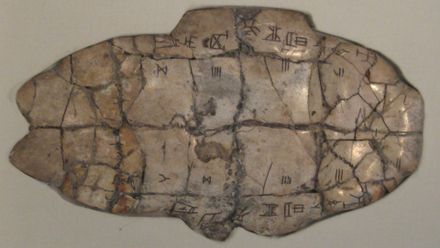
Learning about the enigmatic "oracle bones"; the origins of Chinese writing; turning to the Shang society's social organization, religious practices and cosmology; how the concept of yin and yang emerges during the Shang dynasty.
S1:E5 • Oct 25, 2013 • 30m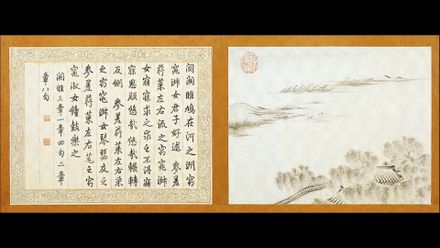
Unpacking the Mandate of Heaven, a belief that seizure of power could be justified as an expression of divine will; how it resonates in Chinese political history for 3,000 years; the Zhou's overthrow of the Shang dynasty; the Zhou dynasty's legacy.
S1:E6 • Oct 25, 2013 • 30m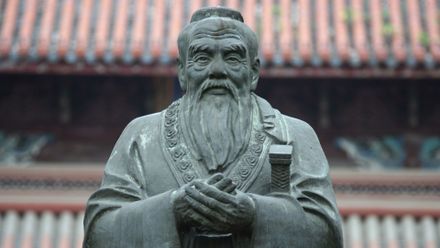
During the Warring States Era, Chinese thinkers consider the nature of society and government; Confucianism is the guiding philosophy of China and much of East Asia for more than 2,500 years; learning about Confucius's life, philosophy and followers.
S1:E7 • Oct 25, 2013 • 29m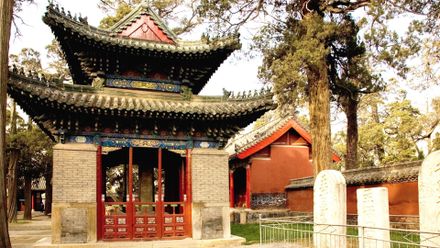
Two contrasting views of human nature and political theory; while Mencius believes humans are innately good, Xunzi believes human nature is evil; both philosophers remain faithful to Confucius's belief in the need for well-educated, ethical rulers.
S1:E8 • Oct 25, 2013 • 29m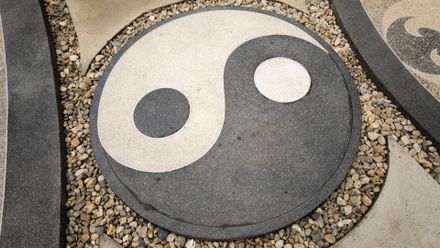
A thorough examination of Daoism, which runs counter to Confucianism's rationality and civic engagement; Daoism offers a path for humans to live in harmony with the natural world and the cosmos by retreating from the world of politics and society.
S1:E9 • Oct 25, 2013 • 29m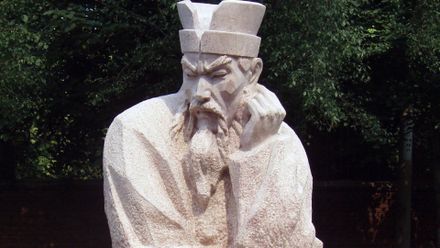
A look at the principles of Legalism, which entails strict laws enforced by gruesome punishment in order to create an orderly state; Legalism's key thinkers; examining the philosophy's legacy in defining Eastern societies through the present day.
S1:E10 • Oct 25, 2013 • 28m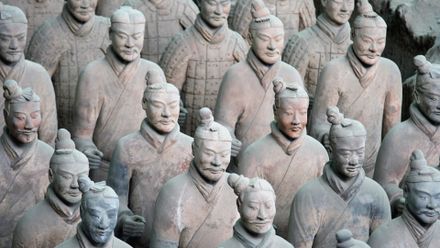
The Qin dynasty emerges; it establishes a model of government that becomes the country's template for the next 2,000 years; meeting China's first emperors; studying the impact of Qin rule, from political reform to massive building projects.
S1:E11 • Oct 25, 2013 • 29m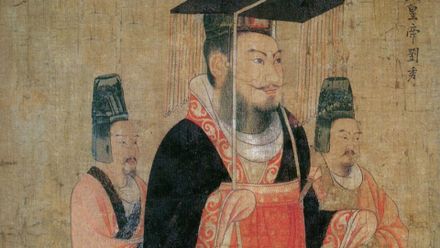
What makes the Han dynasty an enduring part of Chinese history; foundations for Eastern civilization; the age of imperial expansion; how Han dynasty emperors consolidate China under a central government; how that government eventually unravels.
S1:E12 • Oct 25, 2013 • 29m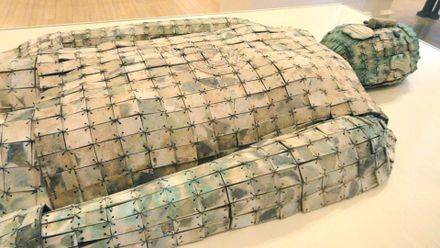
Exploring the Han dynasty's cultural legacy, from its system of education to its porcelain pottery and jade burial suits; studying the Han's extraordinary innovations in science and technology, including the iron industry and the invention of paper.
S1:E13 • Oct 25, 2013 • 29m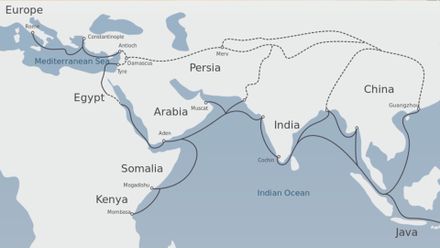
The Silk Roads connect China with the West during the Han dynasty; Professor Benjamin introduces the pastoral nomads who rival the Han dynasty; their critical role in creating trade routes by migrating into Central Asia.
S1:E14 • Oct 25, 2013 • 29m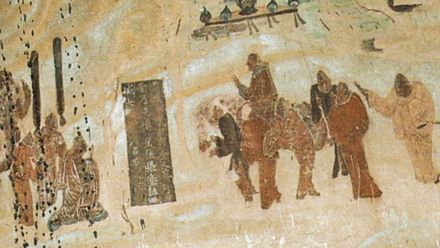
Meeting the Chinese ambassador Zhang Qian; his story begins with an expedition into the Xiongnu territory, where he is captured; after a daring escape, he returns to China with stories that inspire the emperor to send him on subsequent missions west.
S1:E15 • Oct 25, 2013 • 30m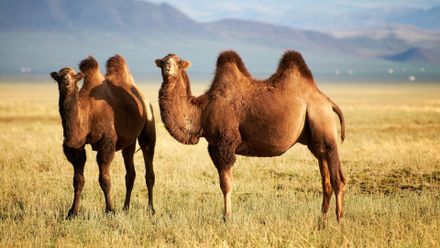
The geographical challenges merchants face as they make their way into Central Asia; tracing the route a caravan would take; discovering the middlemen responsible for the transmission of goods and information between China and, eventually, Europe.
S1:E16 • Oct 25, 2013 • 28m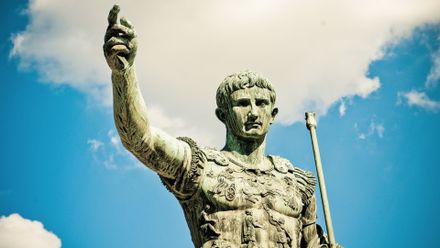
Exploring life from the Roman perspective; an overview of Roman history; how Mediterranean traders organize their end of the exchange with the East; the impact of silk and other luxury goods from Asia on Greco-Roman culture.
S1:E17 • Oct 25, 2013 • 30m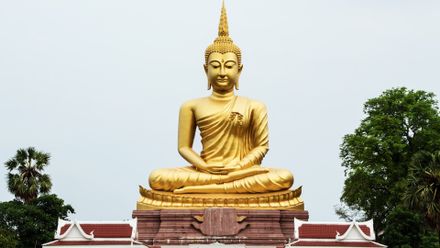
Examining one of the great lost civilizations; the Kushans play an important role as middlemen in the trade routes between China and the Roman Empire; who the Kushans are; what makes them so crucial to the story of the Silk Roads.
S1:E18 • Oct 25, 2013 • 30m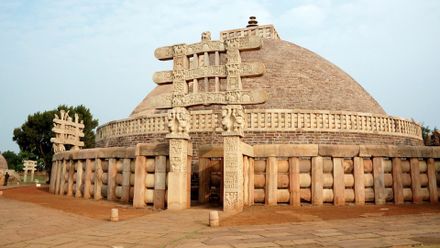
The Indian origins of Buddhism; the gods of the Indus civilization; the origins of the caste system; the emergence of new religions in the fifth and sixth centuries B.C.E.; the life of Siddhartha Gautama; the key beliefs and practices of Buddhism.
S1:E19 • Oct 25, 2013 • 30m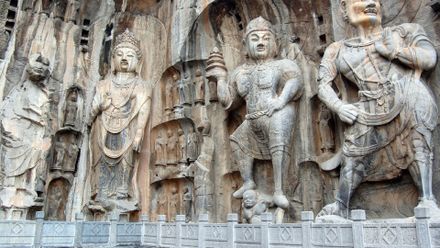
The era of fragmentation and conflict that follows the fall of the Han dynasty; three kingdoms emerge, followed by the Jin and Sui dynasties; Buddhism makes remarkable inroads into China, offering hope of salvation during a chaotic period.
S1:E20 • Oct 25, 2013 • 30m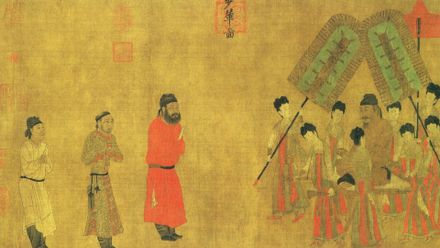
The short-lived Sui dynasty unifies China in the year 581, laying the foundation for the Tang dynasty; the Tang dynasty reorganizes China into a powerful society by reforming the government and capitalizing on the demand for Chinese products.
S1:E21 • Oct 25, 2013 • 29m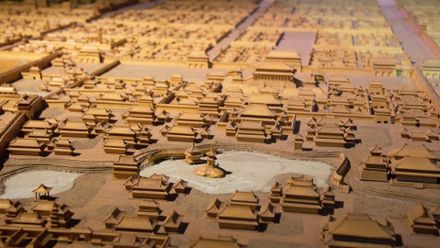
Entering the court of Emperor Xuanzong in the capital city of Chang'an; during Xuanzong's reign, foreign merchants, students and pilgrims bustle around the court; stylish women are adorned with jewels from all over Eurasia; art and poetry flourish.
S1:E22 • Oct 25, 2013 • 28m
Professor Benjamin surveys Korea's rugged terrain; he uses archeological evidence to trace the emergence of civilization in the Paleolithic and Neolithic eras; early villages produce distinctive pottery and have a variety of religious beliefs.
S1:E23 • Oct 25, 2013 • 29m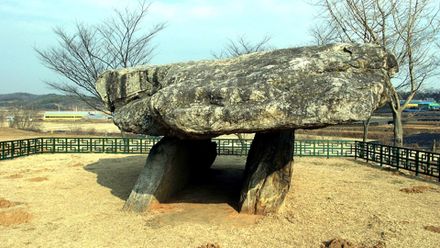
How ancient values and ideas rooted in the environment become the foundations of the Korean people's culture and history; early interaction between China and Korea; the emergence of three powerful kingdoms that appear late in the first century B.C.E.
S1:E24 • Oct 25, 2013 • 30m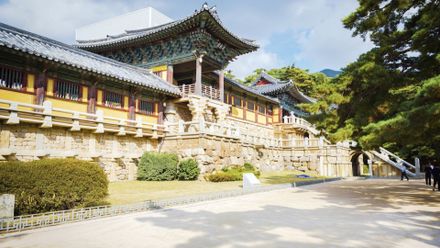
How the Silla kingdom unites most of Korea by forging an alliance with China's Tang dynasty; how the Silla kingdom is organized; turning to the northern Parhae kingdom, which is the beginning of a long history of division on the Korean peninsula.
S1:E25 • Oct 25, 2013 • 29m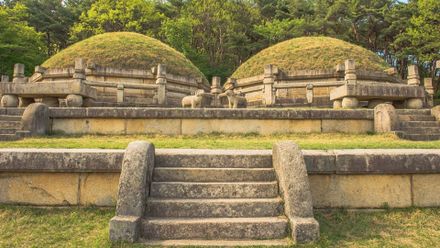
The Koryo dynasty rules Korea after the end of the Silla kingdom; it is remembered as the most important and successful of all Korea's dynasties; examining the Koryo dynasty's government, culture, society and bitter struggle with the Mongols.
S1:E26 • Oct 25, 2013 • 29m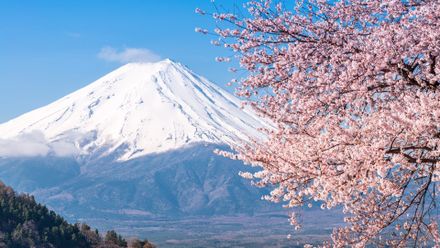
Looking at the islands of Japan; exploring the nation's geography; discovering the many rituals and achievements of several early cultures, including the Neolithic people who created what is perhaps the world's first pottery.
S1:E27 • Oct 25, 2013 • 30m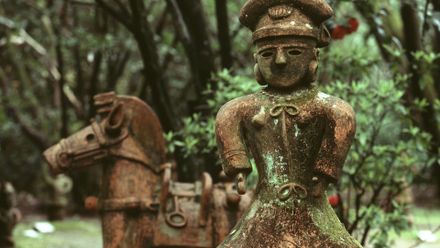
Investigating important stages in the cultural development of Japan, which include the Yayoi culture, the Yamatai kingdom and the first genuine state; the relationships between Japan, Korea and China; the impact of Buddhism on Japanese culture.
S1:E28 • Oct 25, 2013 • 30m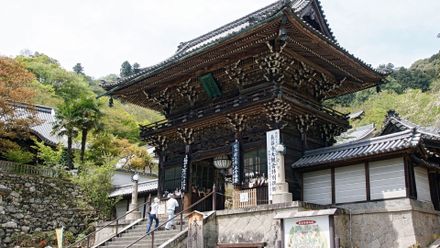
In 710, Japan's capital is moved to Nara; this shift marks the beginning of a new era in Japanese history; touring the new capital city; the period's art, architecture, painting and transcultural exchange create a cosmopolitan environment.
S1:E29 • Oct 25, 2013 • 28m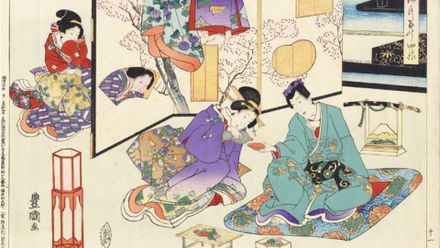
Studying the Heian period; the Heians create a new political and social system that would dominate the country for a millennium; unpacking the era's political factions; the principles of land ownership; artistic and literary achievements.
S1:E30 • Oct 25, 2013 • 29m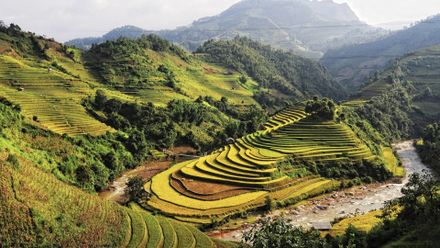
The history and culture of Vietnam, from its earliest interactions with ancient China through its colonization by the French in the 18th century; the tense relations between the Chinese and the Vietnamese; setting the stage for the Cold War.
S1:E31 • Oct 25, 2013 • 29m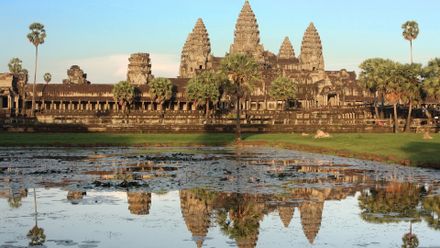
Tracing the spread of Buddhism, Hinduism and Islam through Southeast Asia; how these belief systems affect the history of Eastern civilization; Southeast Asia serves as a commercial and cultural hub where different cultures come together.
S1:E32 • Oct 25, 2013 • 29m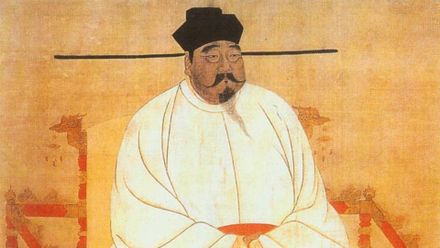
An overview of the Song dynasty; its rulers encourage advancements in civil administration, industry, education and the arts; the Southern Song dynasty is responsible for a series of developments that turn China into a global economic powerhouse.
S1:E33 • Oct 25, 2013 • 31m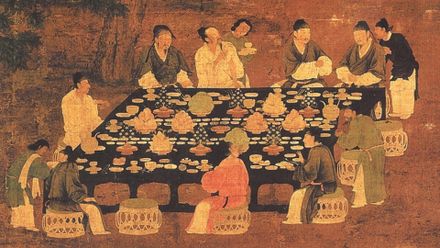
Experiencing everyday life in the Song dynasty; the culture's foreign influences; the emerging xenophobia; the subordinate role of women; the dynasty's impact on the global economy; why Song innovations do not spread throughout the rest of the world.
S1:E34 • Oct 25, 2013 • 29m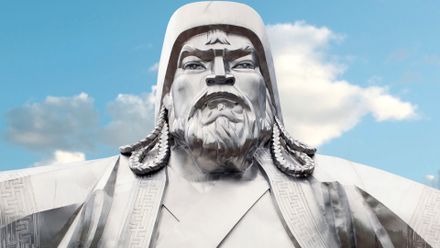
Discovering the origins of the Mongolian Empire; finding out what makes the Mongols so effective at expanding their realm; from murder and mayhem to planning and discipline, the Mongols have a remarkable story.
S1:E35 • Oct 25, 2013 • 29m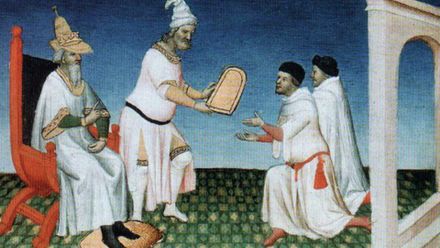
Looking beyond the military success of the Mongols; the impact their empire has on Eastern civilization; the Mongols facilitate a global system that joins East and West Eurasia in a "world system"; meeting Marco Polo, Qubilai Khan, and more.
S1:E36 • Oct 25, 2013 • 29m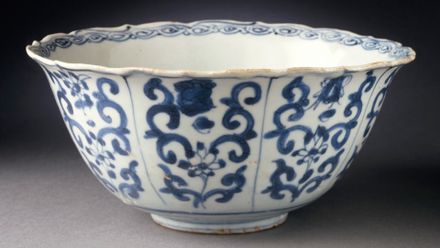
In the wake of Mongol destruction, China's Ming dynasty emerges as a deeply conservative society; these are peaceful but economically stagnant years, with problems such as piracy, an inept and disinterested government, famines and rebellions.
S1:E37 • Oct 25, 2013 • 28m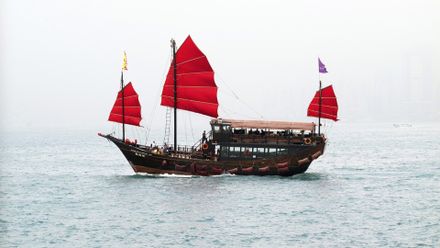
Delving into the Ming dynasty's great naval expeditions, led by the fascinating admiral Zheng He; turning to Christianity; meeting some of the Jesuit missionaries who visit China during the Ming dynasty; the important ramifications of these missions.
S1:E38 • Oct 25, 2013 • 30m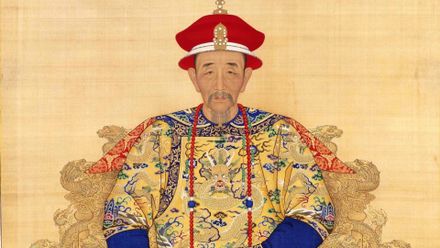
The rise of the Qing dynasty following a series of Manchu raids; Professor Benjamin explains why the Ming dynasty fails; introducing two of the Qing dynasty's most effective rulers; a discussion of why the dynasty begins to fail in the 19th century.
S1:E39 • Oct 25, 2013 • 30m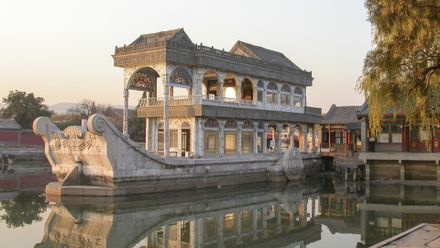
The dynastic system comes to an end in China in 1912 with the abdication of Emperor Puyi; surveying the many problems faced by the Qing dynasty in the 19th century; the Opium Wars; peasant uprisings and rebellions; the expanding European empires.
S1:E40 • Oct 25, 2013 • 30m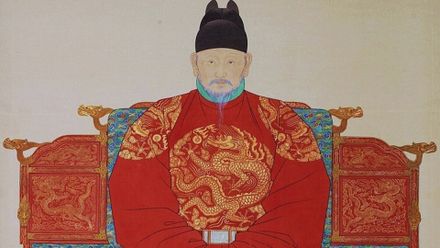
Focusing on the Choson dynasty; Choson elites adopt a Neo-Confucian political doctrine; expanding Korean territory; creating a tiered social structure that ranges from slaves to land-owning nobility; exploring the achievements of this dynasty.
S1:E41 • Oct 25, 2013 • 29m
By the 19th century, the Choson people become suspicious of outsiders; how they navigate Japanese aggression; the competition between Japan, China and Russia; a look at the Japanese occupation of Korea in the first half of the 20th century.
S1:E42 • Oct 25, 2013 • 29m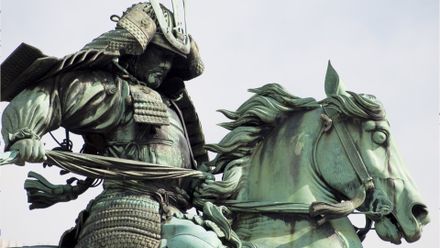
Entering what historians sometimes call Japan's medieval period; looking at the Kamakura, Muromachi and Tokugawa Shogunate periods; the famous samurai warriors who play a distinctive role in Japanese life; the era's entertainment culture.
S1:E43 • Oct 25, 2013 • 29m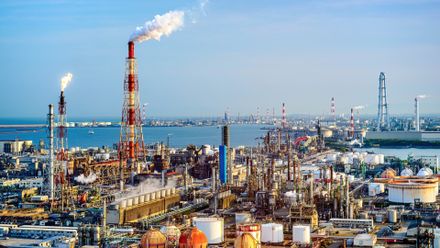
Emperor Meiji enacts a political, economic and social reorganization of Japan; it transforms the country into a modern global and military-industrial power; watching as the nation becomes an imperial power; what leads to Japan's role in World War II.
S1:E44 • Oct 25, 2013 • 29m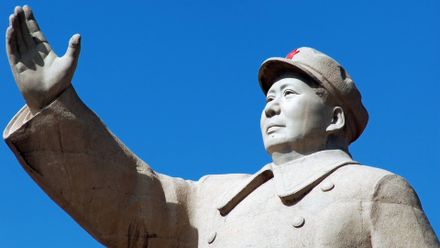
A look at the 20th century; Eastern civilization today; the political rebellions in China that led to the establishment of today's republic; meeting Mao Zedong, Sun Yat-sen and Chiang Kai-shek; the conflicts between Nationalist and Communist parties.
S1:E45 • Oct 25, 2013 • 28m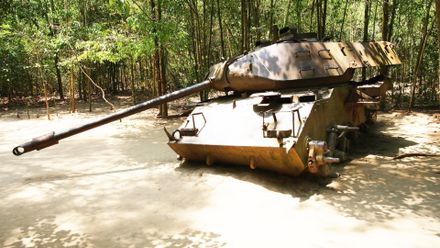
The transformation of Eastern civilization; an examination of the Cold War; the tensions between the United States and the Soviet Union; investigating the wars in Korea and Vietnam; the global causes and local impact of each conflict.
S1:E46 • Oct 25, 2013 • 29m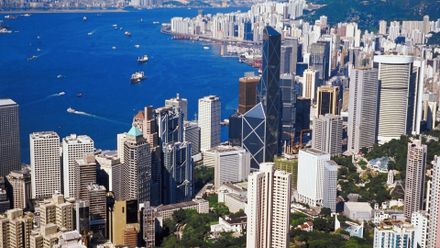
In the later 20th century, Mao's successors lead China through what is dubbed the "four modernizations"; how China adapts to the global world; the role of Hong Kong; the emergence of other "Asian tigers" in the global economy.
S1:E47 • Oct 25, 2013 • 29m
The role of East Asia in the world; insights the events at Tiananmen Square in 1989 shed on China's people; whether China will democratize; what will become of China's one-child policy; how the story of Eastern civilization will continue to unfold.
S1:E48 • Oct 25, 2013 • 37mMore Like This
 TV14 • 1 season
 TVPG • 1 season
 2025 • 51mDetails
 TVPG • 1 season
 2018 • TVPG • 1h 29mDetails
 TVPG • 1 season
 TVPG • 1 season
 TVMA • 3 seasons
 TVPG • 1 season
 TVPG • 1 season
 TVPG • 1 season
 TVPG • 1 season
 TVPG • 1 season
 TVPG • 1 season
 TVPG • 1 season
 TVPG • 1 season
 TVPG • 1 season
 TVPG • 1 season
 TVPG • 1 season
 TVPG • 1 season