

Great Mythologies of the World
The deep-seated origins and lessons of ancient myths build the foundation for modern legacies; the mythologies of Europe, the Americas, Asia, Africa and the Middle East; these stories are important, distinctive and withstand the test of time.
Already subscribed?
Sign in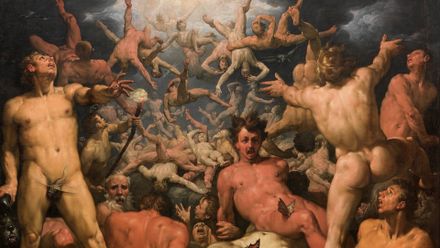
The ancient Greek myths are popular stories in Western civilization; knowing when these tales emerge and the earliest sources for them; looking into father-son conflicts between Uranus, Kronos and Zeus; the first-generation gods known as the Titans.
S1:E1 • Aug 21, 2015 • 35m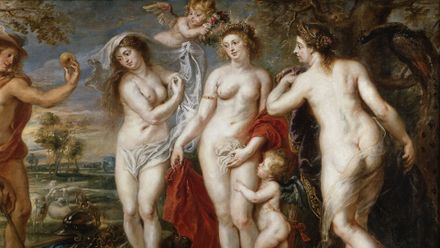
Three iconic goddesses whose personalities and stories reflect how the ancient Greeks view women; Athena emerges fully-formed from Zeus's head; Aphrodite is known for her wild love affair with Adonis; Hera presides over marriage and childbirth.
S1:E2 • Aug 21, 2015 • 31m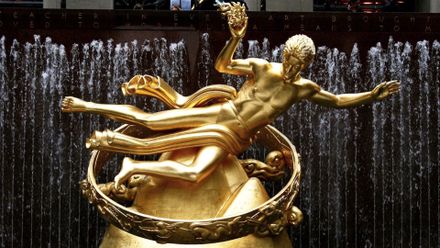
Insights into several Greek myths that teach about the relationship between gods and humans; learning whether Prometheus is a troublemaker or a liberator; knowing what happens after Pandora's box of evil spirits is opened; the Eleusinian Mysteries.
S1:E3 • Aug 21, 2015 • 33m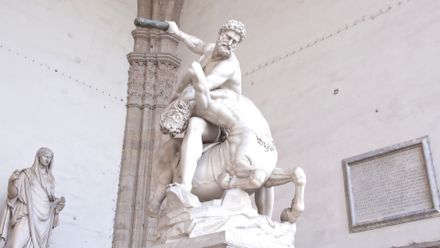
The mythological legacies of the powerful, but flawed, Greek hero, Herakles; common threads that run through some of his twelve labors; the slaying of the Hydra and the cleaning of the Augean stables; Herakles's role in ancient Greek society.
S1:E4 • Aug 21, 2015 • 32m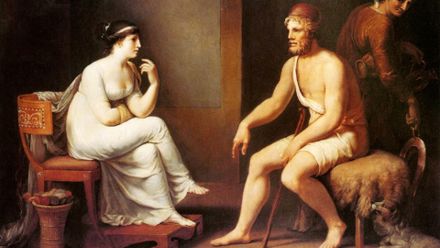
Odysseus is the hero of Homer's "Odyssey"; his plans for the Trojan horse; his tricking of a murderous cyclops; Odysseus's scheming and lying leads to heroic triumphs that make his story relatable to everyday ancient Greeks and modern readers.
S1:E5 • Aug 21, 2015 • 33m
A darker mythological adventure story is Jason's quest for the Golden Fleece; the best-known versions of both Jason's story and his wife, Medea's; seeing Jason as a failed hero and Medea as more than just the woman who murders her own children.
S1:E6 • Aug 21, 2015 • 33m
Uniquely Roman myths about the Roman Empire's founding, including the lives of the brothers Romulus and Remus; the abduction of the Sabine women; the difference between creation and origin stories; traditional mythic elements found in ancient Rome.
S1:E7 • Aug 21, 2015 • 33m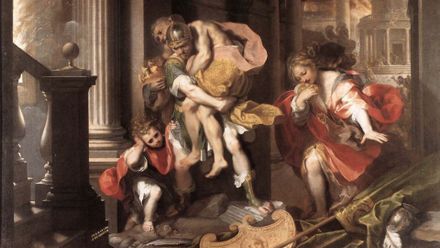
Discovering why Aeneas, the ancestor of all Romans, and Tarpeia, who betrays Rome for personal gain, are two sides of the same coin; how they offer inspirational testaments to Rome's values; character types seen in almost every civilization's myths.
S1:E8 • Aug 21, 2015 • 33m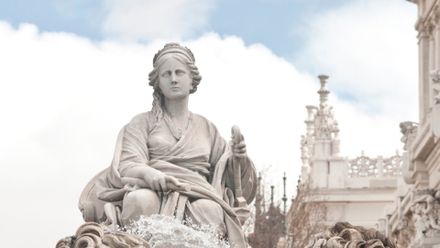
Learning what Cybele reveals about the great mother goddesses of mythological traditions; this classic figure evolves over thousands of years; it adapts to different cultures; it becomes connected in Rome with power and aristocracy.
S1:E9 • Aug 21, 2015 • 32m
Using the intriguing tale of Dagda and his magic harp as a framework; Professor McClymond introduces the often unappreciated world of Celtic mythology; heroes like Cu Chulainn and Lugh; powerful magical items and treasures; the Stone of Fal.
S1:E10 • Aug 21, 2015 • 32m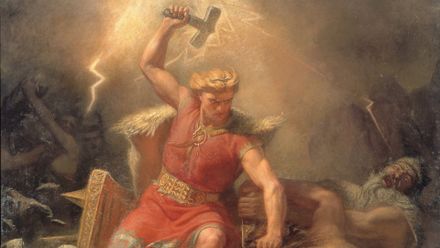
Dark and brooding, Norse mythology reflects the harsh living conditions of ancient Germanic and Scandinavian people; two of the most well-known Norse gods are Odin, the god of war who sacrifices himself on a tree and Thor, the god of order.
S1:E11 • Aug 21, 2015 • 31m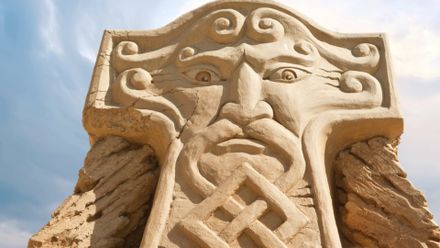
Skidbladnir is the ship of the gods that can also fit in one's pocket; Andvarinaut is a powerful ring that inspires a cycle of mythological stories; such magical items are the prized possessions of Norse kings, warriors and heroes; their legacies.
S1:E12 • Aug 21, 2015 • 33m
Looking at the Epic of Gilgamesh; learning how this foundational Babylonian myth reflects real historical tensions between ancient Eastern city-states; tensions mirrored in the myth's concerns with civilized and untamed human nature.
S1:E13 • Aug 21, 2015 • 33m
Learning what the ancient Babylonians believed about the world's origins; startling similarities their account has with the Bible's; the Enuma Elish; a creation story that casts the average Babylonian as a mere afterthought in the eyes of the gods.
S1:E14 • Aug 21, 2015 • 31m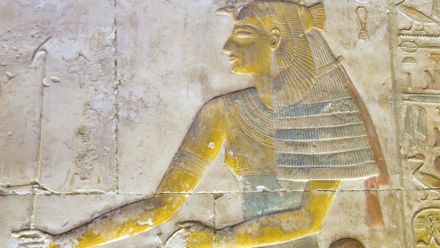
A destructive struggle between order and chaos; the mythography of Ancient Egypt, which includes multiple creation stories; a fantastic pantheon of gods; different mythic timelines; maat is the overarching concept of morality and justice.
S1:E15 • Aug 21, 2015 • 33m
Three Egyptian gods are inextricably linked with the pharaohs; the murdered and resurrected Osiris is associated with nature; Horus is responsible for unifying Upper and Lower Egypt; Ra is known for his nightly journeys through the land of the dead.
S1:E16 • Aug 21, 2015 • 32m
The pharaohs play a vital role in Egyptian culture, maintaining cosmic order throughout the land; the lives and deaths of Ancient Egypt's 330 pharaohs; King Amenhotep IV tries to become a supreme god; Cleopatra is the civilization's last pharaoh.
S1:E17 • Aug 21, 2015 • 32m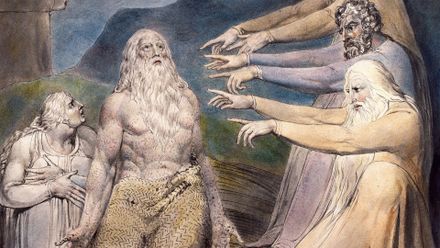
Examining the biblical Book of Job through a mythological lens; it addresses the same basic questions of other myths; Job's trials and tribulations at the hand of the Hebrew god force one to look at the world from a fresh perspective.
S1:E18 • Aug 21, 2015 • 30m
Indian culture's two great epics are the "Ramayana" and the "Mahabharata"; both are frame narratives that bring together hundreds of smaller stories; establishing Vishnu's importance; lasting effect on Indian spirituality, politics and literature.
S1:E19 • Aug 21, 2015 • 33m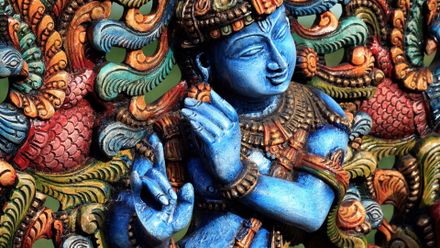
A section of the Mahabharata known as the "Bhagavad Gita"; the layers behind the popular story of the warrior Arjuna; learning how to read the literary piece as a devotional story and a manual for life; how it shapes Mahatma Gandhi's philosophy.
S1:E20 • Aug 21, 2015 • 32m
Professor McClymond states that it is best to understand Buddhism as a grand anthology of short stories; the life and beliefs of the Buddha; the teachings of Buddhist myth as told through its stories; Buddhism and other religious traditions.
S1:E21 • Aug 21, 2015 • 31m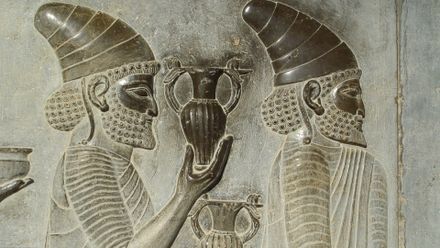
The Book of Kings is widely regarded as the national epic of the world's Persian-speaking community; this 11th-century epic poem traces 50 generations of Persian kings and heroes, including Rostam; his famous battle with the crown prince of Persia.
S1:E22 • Aug 21, 2015 • 31m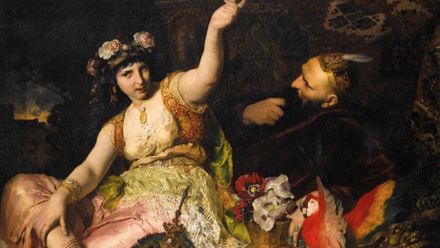
Exploring whether a secular text can be read as mythology; the "One Thousand and One Nights" is known in the West as "The Arabian Nights"; insights into heroes like Sinbad the sailor, mythical creatures like jinns; use of the supernatural.
S1:E23 • Aug 21, 2015 • 31m
It is not surprising that many myth traditions in South Asia and the Middle East include fire and flood in their stories of destruction and eventual renewal; this theme at work in Gilgamesh, Zoroastrian mythology and "Sermon of the Seven Suns".
S1:E24 • Aug 21, 2015 • 33m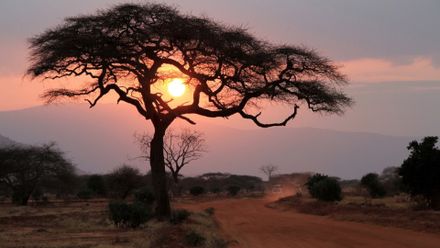
The elements of African mythology; Shango is a fearsome king of the city-kingdom of Oyo who becomes a god; the cyclical structure of the story; African myths may start in the middle, seem to end, circle back to the beginning and then conclude.
S1:E25 • Aug 21, 2015 • 32m
Many myths found across the globe wrestle with the concept of how the world starts; African mythology is no exception; it embraces a variety of philosophies including ex nihilo myths, chaos stories and cosmology tales to explain one's existence.
S1:E26 • Aug 21, 2015 • 29m
The hierarchy of African religious myths is similar to many Western cultures; a single god occupies a position of authority, responsible for the world's creation; this creator has different names; Cagn, Jok and Ngewo; spirit beings and shamans.
S1:E27 • Aug 21, 2015 • 34m
The archetype of the trickster has resonated in storytelling worldwide; tricksters in African myth are troublemakers who are skilled at deception; often humorous, they sometimes represent human drives and weaknesses that explain calamities.
S1:E28 • Aug 21, 2015 • 30m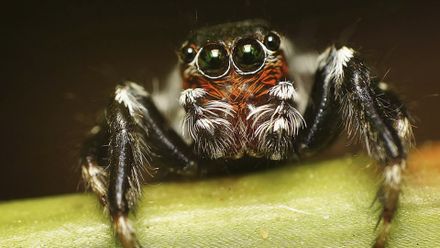
A recurring theme in African myth is the physical separation between the original creator god and humanity; there are parallels to biblical stories of the banishment of Adam and Eve from the Garden of Eden; how the theme is explored offers insights.
S1:E29 • Aug 21, 2015 • 32m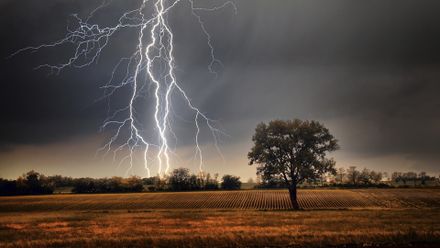
Lesser divinities are often involved in human affairs; the interactions between African gods and mortals express ideas about the relationship between mortal life and the divine; Mregho and Ruwa's story; Tricksters get involved in mortal ties.
S1:E30 • Aug 21, 2015 • 31m
The earliest superheroes are the cultural heroes of mythology; their stories inevitably capture something essential about the societies that tell them, comparing the Mongo story of Lonkundo, the Maasai story of Le-eyo and the Fon story of Sogbo.
S1:E31 • Aug 21, 2015 • 32m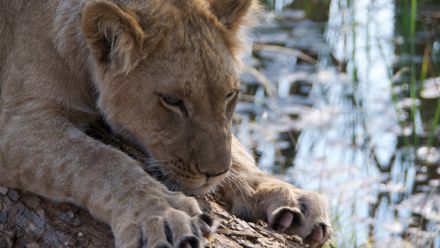
Stories play a role in maintaining a code of behavior and morals; the inevitable gray areas; morality tales provide no clear right or wrong answers; seeking answers in discussions with one another; explorations of the nature of truth and virtue.
S1:E32 • Aug 21, 2015 • 29m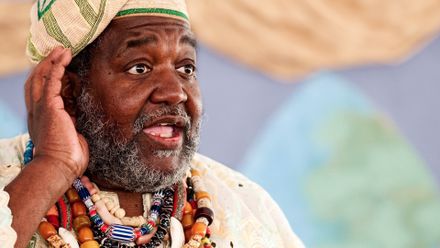
Because of their customary length and level of detail, epics provide a comprehensive sense of the early cultures that generate them; many incorporate genuine historical information; African mythology's captivating epics; "Dausi", an ancient epic.
S1:E33 • Aug 21, 2015 • 31m
The epic of "Bakaridjan Kone" is much more recent than the "Dausi"; it comes from almost the same part of Africa; much of its history is wracked by war and tensions with the peoples of the surrounding communities; traces of strong Muslim influence.
S1:E34 • Aug 21, 2015 • 33m
It is no surprise that death and the afterlife are major themes throughout African stories; these myths draw links between the importance of following divine instructions and adhering to law; the consequences of disobedience; the great beyond.
S1:E35 • Aug 21, 2015 • 33m
Three African mythological characters brave the land of the dead; how the experience affects them; the deeper meaning of those visits; viewing them in the context of the greater journey of each character; challenges that he or she faces.
S1:E36 • Aug 21, 2015 • 33m
The mythology of Asia and the Pacific with the story of Fu Xi; a profound truth about Chinese society and the mythology of the Pacific Rim; the importance of social networks; the omnipresence of water; the value of sacrifice; this region's myths.
S1:E37 • Aug 21, 2015 • 33m
Chinese myths of heroes and rulers engage with questions of what ought to be; utopian stories of sage-kings are often told alongside dystopian tales of evil leaders; the legends of Yao, Shun and Yu the Great; the two degenerates Jie and Zhou Xin.
S1:E38 • Aug 21, 2015 • 32m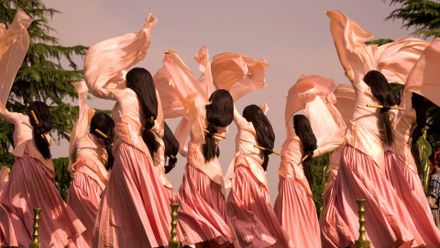
The myths and sayings of rural peasants are transformed into formal verse; a highly sophisticated body of writing that profoundly shapes subsequent literature; much of the originality of the myths is often removed in the name of moral lessons.
S1:E39 • Aug 21, 2015 • 32m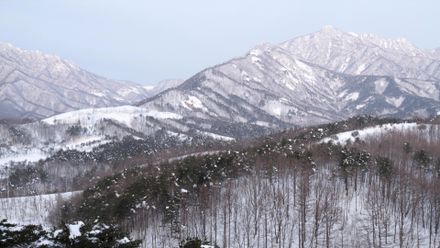
Early Koreans interact with the spirit world through spirit mediums, primarily women, who perform shamanic rituals and preserve the culture; these traditions incorporate borrowings from Japan and China into a distinctively Korean syncretic blend.
S1:E40 • Aug 21, 2015 • 33m
Some pivotal figures of Korean mythology include Mireuk and his rival Seokga, the king Hyokkose of Silla and magistrate Pak Che-sang; the porous border between mythology and history; a trick for telling which myths are altered by scholars.
S1:E41 • Aug 21, 2015 • 34m
Stories of decaying goddesses; befouled maidens from the underworld; deities emerging from a parent's dirty nostrils; the contamination of the gods' most sacred spaces with divine excrement; the mythology of this culture which prizes purity.
S1:E42 • Aug 21, 2015 • 32m
Centuries of borrowing religious and political mythology from China and Korea; a syncretic blending of political myth-making that is influenced by Buddhism; the myth of Okuninushi and his 80 brothers; brothers Hoderi-no-mikoto and Hoori-no-mikoto.
S1:E43 • Aug 21, 2015 • 32m
Polynesian tales center around spirits of the natural world, some are helper-deities and some enjoy causing trouble; Ku and Hina have myriad subordinate versions; Lono has power over seas, clouds and storms; Maui brings many gifts to humanity.
S1:E44 • Aug 21, 2015 • 33m
Versions of the same myths found all over Micronesia; the creation story of the cosmic spider and the acts of the Trickster Olofat; how the missionaries, anthropologists, and other Westerners who record these myths leave their indelible marks.
S1:E45 • Aug 21, 2015 • 30m
Delving into variations of myths about the sun and moon; knowing how humans and other creatures are created; the development of anthropology as a field of study; how cross-cultural misconceptions and fascinations can fuel false reports.
S1:E46 • Aug 21, 2015 • 31m
Many variants on common mythological themes in this region; humanity emerging from eggs; tales of the origins of different animals; stories of how humans acquire fire; trickster tales of the delicate mouse-deer with those of the mischievous ape.
S1:E47 • Aug 21, 2015 • 31m
Australian mythology has features found nowhere else; the mystic underworld, from where most of life arises; the Totemic Ancestors; tales of the world's creation during Dream Time; the mystical songlines; colonial occupiers create their own myths.
S1:E48 • Aug 21, 2015 • 34m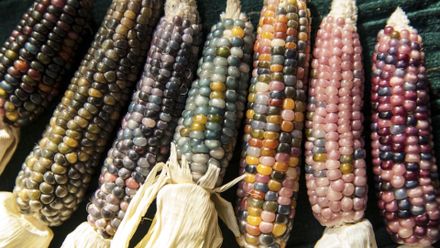
Nature spirits take on a variety of forms in various cultures; discovering the maize myths and other stories about the origins of nature in the Americas; these stories demonstrate the way people answer questions about how the world comes to be.
S1:E49 • Aug 21, 2015 • 31m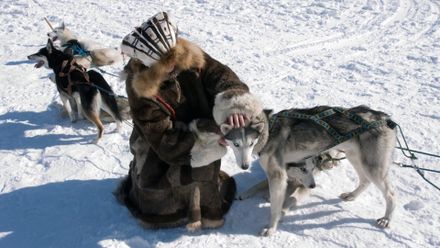
A riveting Inuit story of Sedna, the old woman who lives under the sea; encountering the Nanabushu stories; the archetype of the Trickster, who is often a cultural hero; he is responsible for aiding in the creation of what one knows today.
S1:E50 • Aug 21, 2015 • 30m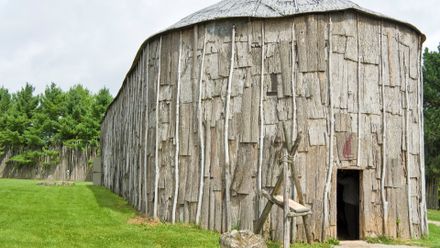
The earth-diver creation myths; myths that deal with the founding of various groups, different from what one normally thinks of as Native American myths, since they do not deal with the mythic past; rather with a more recent, historical past.
S1:E51 • Aug 21, 2015 • 30m
The Southeast region of the United States is home to many Native American cultures; five key languages are spoken in the area; a sign language is created for easy intergroup communication; an encompassing body of myths that tie the peoples together.
S1:E52 • Aug 21, 2015 • 29m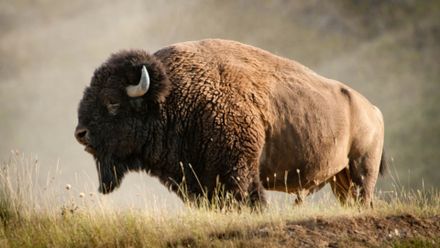
Visiting the Great Plains to look at new myths involving creatures and environments that cannot be duplicated in other regions; the story of the Buffalo Woman; myths connect different groups of people; they serve as a beacon of individuality.
S1:E53 • Aug 21, 2015 • 31m
Life on the Northwest coast does not fit one's image of typical Native American civilizations; myths help create these governing systems and an economic hierarchy that is not seen in many other regions; mirrors some aspects of broader society today.
S1:E54 • Aug 21, 2015 • 32m
The concept of earth-diver and emergence origin stories; how they differ in the Southwest as one explores air-spirit people; a deeper understanding of the duality of the trickster as he both thwarts and contributes to the cultivation of the world.
S1:E55 • Aug 21, 2015 • 31m
An emergence myth from the Zuni people, involving Awonawilona All-Father, his two boys and the first writhing creatures of the deep; a similar story from the Hopi, which stars Tewa the Sun Spirit, Spider Grandmother and Masauwu the Skeleton Man.
S1:E56 • Aug 21, 2015 • 30m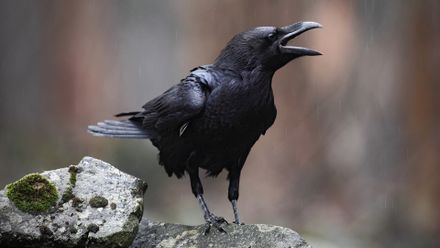
In-depth with the trickster example; the trickster is a popular character in Native American myths.
S1:E57 • Aug 21, 2015 • 31m
In South and Central America, learning about the Maya, the Aztecs and the Incas; there are many shared stories and common origins; these people maintain cultures and myths that are significantly different from those of their cousins to the north.
S1:E58 • Aug 21, 2015 • 31m
Mesoamerican gods have several "manifestations" or "aspects"; each manifestation has a different appearance and powers, and is responsible for different things; meeting some of the major characters; how to follow the stories in all their iterations.
S1:E59 • Aug 21, 2015 • 33m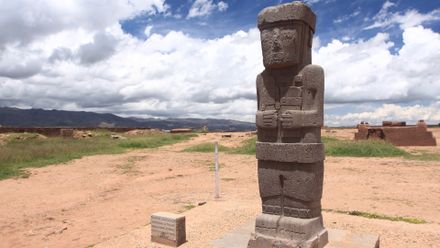
Comparing the Incas to the Roman Empire; finding some parallels in history and mythology; hearing the Kolla creation story from the Incas based on their understanding of their world, which can still speak to people across the years.
S1:E60 • Aug 21, 2015 • 32mMore Like This
 TVPG • 1 season
 TVPG • 1 season
 TVPG • 1 season
 TVPG • 1 season
 TVPG • 1 season
 TVPG • 1 season
 TVPG • 1 season
 TVPG • 1 season
 TVPG • 1 season
 TVPG • 1 season
 TVPG • 1 season
 TVPG • 1 season
 TVPG • 1 season
 TVPG • 1 season
 TVPG • 1 season
 TVPG • 1 season
 TVPG • 1 season
 TVPG • 1 season
 TVPG • 1 season
 TVPG • 1 season