

Understanding the Old Testament
The Old Testament is one of the foundational documents of Western civilization; Professor Robert D. Miller II guides through a core selection of the major books of the Old Testament; probing their meaning and relevance in an incisive commentary.
Already subscribed?
Sign in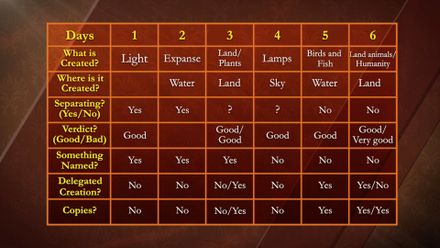
The contexts of the Old Testament; the events of the first six days of creation; for each day, noting what is created and how God evaluates it; how the events establish an elaborate pattern and what that pattern means to ancient Israelites.
S1:E1 • Nov 29, 2019 • 29m
The creation of humanity according to Genesis Chapter 1; the idea that humans are made in the image and likeness of God; the unique seventh day and how the Sabbath is also a creation day; the authorship of the first five books of the Old Testament.
S1:E2 • Nov 29, 2019 • 30m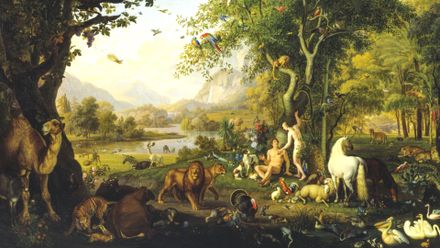
The story of the Garden of Eden; God's purpose in creating humans that are both material and spiritual; the god-like role given to Adam to name other creatures; how woman is created as a counterpart of man; a world that is not what God intends.
S1:E3 • Nov 29, 2019 • 29m
The story of Adam and Eve; how ancient Israelites understand the nature of sin; Adam and Eve's transgression in eating the forbidden fruit; how this act disrupts the relationship between humanity and nature; the consequence of the humans' actions.
S1:E4 • Nov 29, 2019 • 28m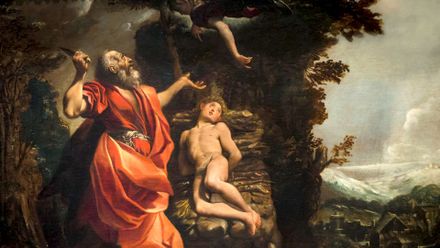
Abraham, the spiritual father of three key religions; the features of the Covenant made between God and Abraham; Abraham embarks on his journey; the three promises God makes and what God asks of Abraham; God's command that Abraham sacrifice his son.
S1:E5 • Nov 29, 2019 • 29m
The Call of Moses to liberate the Israelites in Egypt; how it resonates with the call of other Biblical prophets; the Hebrew name of God, Yahweh; why Jews do not speak or write it; disputed interpretations of the Ten Plagues; the Exodus from Egypt.
S1:E6 • Nov 29, 2019 • 31m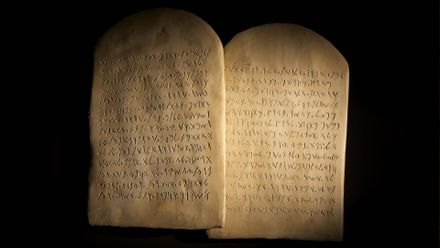
The Decalogue has a significance beyond that of the other 603 commandments in the Torah; how the Ten are numbered within different religious traditions; these directives by God are intended not to constrain humanity, but to guarantee freedom.
S1:E7 • Nov 29, 2019 • 26m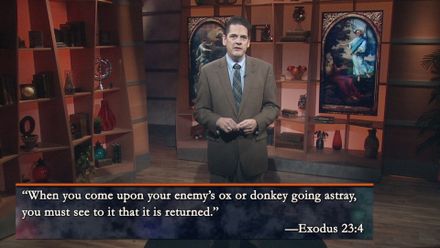
The Covenant Code contains very old laws of ancient Israel; the Code's many laws, on subjects from religious regulations to social justice; comparing the Code to the laws of other ancient Near Eastern societies; the laws function as moral education.
S1:E8 • Nov 29, 2019 • 28m
The book of Leviticus sets out the ways Israelites are to live as God's people; three sections of the text; sacrificial practices; five types of ritual sacrifice and the motives of each; dietary rules on the purity of food; the Day of Atonement.
S1:E9 • Nov 29, 2019 • 30m
The context of Judges within the Old Testament books reveals the story of the Israelites in the Promised Land; how the Israelites come to the land of Canaan; the cycle in which they fall into idolatrous behavior; God sends them charismatic leaders.
S1:E10 • Nov 29, 2019 • 29m
The unfolding narrative of Judges; the leaders sent to free the Israelites themselves fall from virtue; the stories of Gideon and his son, Abimelech; the trials of Jephthah and Samson; the tragic conclusion of Judges; Israel descends into immorality.
S1:E11 • Nov 29, 2019 • 27m
The origins of prophecy in ancient Israel; Samuel, the last judge, initiates monarchy among the Israelites, appointing Saul as king; the disastrous reign of David and the story of Bathsheba; the wise Solomon builds the first temple to Israel's God.
S1:E12 • Nov 29, 2019 • 25m
The role of the prophet in ancient Israel as the conscience of the nation; prophet Elijah's actions to affirm the supremacy of God; Elijah's role in the fall of the kingdoms of Israel, Judah, Assyria and Babylon; a story which ends on a note of hope.
S1:E13 • Nov 29, 2019 • 30m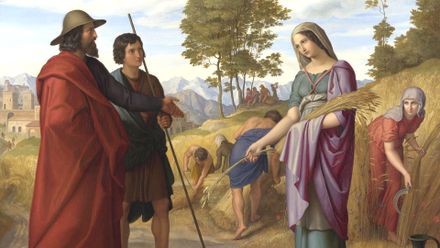
The Old Testament books that recount single plots, often focusing on displaced women; Ruth survives in Bethlehem through loyalty and resourcefulness; Queen Esther saves her people by honoring her Jewishness while being the queen of gentile society.
S1:E14 • Nov 29, 2019 • 27m
Prophet Amos and his passionate theme of justice for the poor and vulnerable; Amos brings the northern kingdom of Israel to task for its crimes against the poor, seen in acts such as debt slavery; Amos's three woes against Israel; his vision of hope.
S1:E15 • Nov 29, 2019 • 27m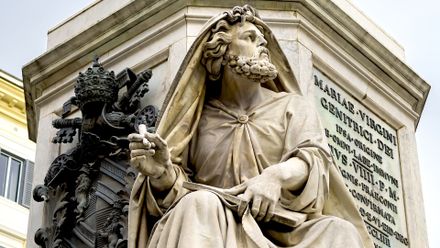
The three sections of Isaiah; first, the prophet's denunciation of social injustice; second, a promise of restoration and redemption for Israel; third, the vision of a post-exile Jerusalem, where all peoples are included within the worship of God.
S1:E16 • Nov 29, 2019 • 28m
Prophet Jeremiah's temple sermon; preaching against idolatry, injustice and fraudulent worship; the prophet's response to his later persecution; his struggle against his own call to be a prophet; the prophecy in which God offers a new covenant.
S1:E17 • Nov 29, 2019 • 23m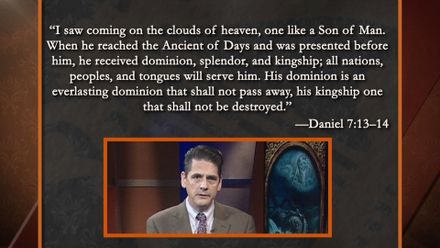
The prophetic oracles and stories of the book of Daniel; the genre of Apocalyptic literature; the appearance in Daniel of the figure of the Son of Man; the story of Daniel's exile to Babylon; taking account of its message for diaspora Jews.
S1:E18 • Nov 29, 2019 • 26m
The musical nature of the book of Psalms, prayers that are originally sung; the Psalms embody the words of humans to God; the poetic features of the Psalms; the titles of the individual Psalms and what they tell; the Psalms fall into five sections.
S1:E19 • Nov 29, 2019 • 30m
Investigating the primary psalm genres; taking account, in each, of who is speaking within a given Psalm and with what intent; wisdom psalms, pilgrimage songs and penitential psalms; how psalms are structured; how they express the human emotions.
S1:E20 • Nov 29, 2019 • 25m
The Old Testament genre of wisdom literature and the varieties of knowledge it encompasses; the use of paired metaphors; the use of personification in Proverbs to express wisdom; as referred to as a woman; as present with God at creation.
S1:E21 • Nov 29, 2019 • 29m
The book of Job; identifying its biblical genre and literary structure; God's wager with the accuser, who questions Job's faith; the many historical explanations of God's actions; what the narrative suggests about divine providence and human value.
S1:E22 • Nov 29, 2019 • 28m
The text of the book of Ecclesiastes; in Qohelet's words, grasping why many through the centuries find the book depressing; plumbing the verses for their deeper meaning; a singular vision of affirmation; an authentic joy in the gifts of God.
S1:E23 • Nov 29, 2019 • 25m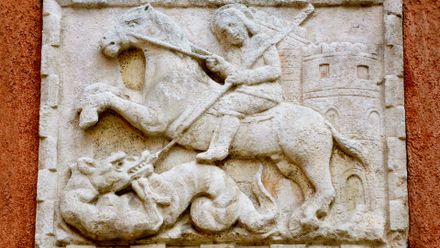
A recurrent image within the Old Testament; the figure of the dragon as the personification of evil; the metaphor of dragon-slaying at the hands of God; its appearance within earlier mythic traditions; this metaphor as an analogy for human suffering.
S1:E24 • Nov 29, 2019 • 32mMore Like This
 TVPG • 1 season
 TVPG • 1 season
 TVPG • 1 season
 TVPG • 1 season
 TVPG • 1 season
 TVPG • 1 season
 TVPG • 1 season
 TVPG • 1 season
 TVPG • 1 season
 TVPG • 1 season
 TVPG • 1 season
 TVPG • 1 season
 TVPG • 1 season
 TVPG • 1 season
 TVPG • 1 season
 TVPG • 1 season
 TVPG • 1 season
 TVPG • 1 season
 TVPG • 1 season
 TVPG • 1 season