

America's Long Struggle against Slavery
S1:E19 David Walker, Nat Turner, and Black Immediatism
David Walker and Nat Turner transform the debate about slavery in America; their immediate words and deeds terrorize southern slaveholders; forcing legislators to articulate just how far they will go to protect slavery; witnessing their actions.
Already subscribed?
Sign in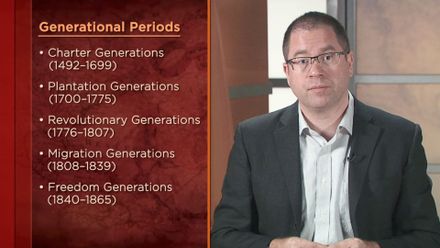
The long war against slavery begins centuries before the American Civil War; Professor Bell offers a survey of resistance among enslaved Africans in the 17th and 18th centuries; five generational periods in the long struggle to end slavery.
S1:E1 • May 22, 2020 • 25m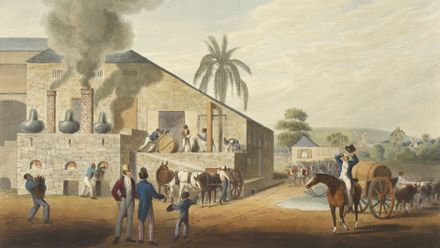
Slavery in the British Empire has its roots in the trading economy of the 16th century; the Englishman John Hawkins cuts into the Portuguese slave trade in the New World; the Royal African Company, a large slaving operation in the Atlantic.
S1:E2 • May 22, 2020 • 26m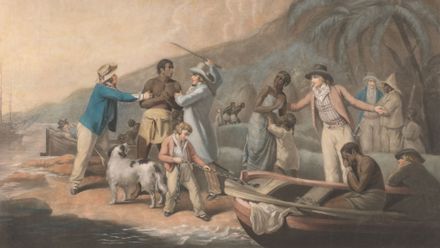
The American slave trade begins in Africa; African rulers and merchants play a hand in supplying slaves to Europeans; the first strategies of resistance; defensively trying to elude capture; offensive efforts to get away from the hellish confinement.
S1:E3 • May 22, 2020 • 26m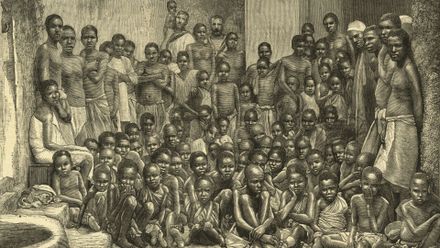
Leaving the continent of Africa, the second place for resistance is aboard the slave ships as they depart for the Caribbean; this episode explores the suicides, runaways and revolts on slave ships; the efforts by Europeans to control the enslaved.
S1:E4 • May 22, 2020 • 29m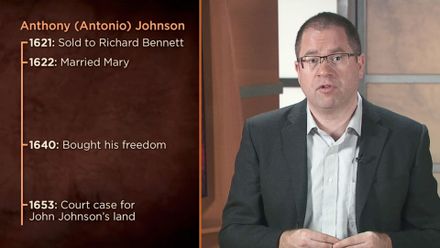
The Chesapeake tobacco economy in the 17th century; a time when colonial law changes in a way that promotes the slave economy; Anthony Johnson is a freed slave who in turn holds his own slaves; slave codes that change the social order in Virginia.
S1:E5 • May 22, 2020 • 25m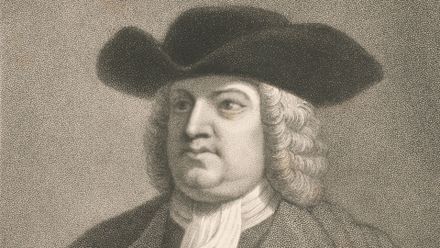
The moral voices among white Europeans speaking out against slavery; The American Quaker community has a long history of antislavery activism, from legal pamphlets to spiritual protests; the community's limitations in the early American economy.
S1:E6 • May 22, 2020 • 29m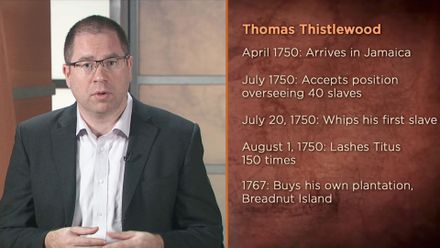
In Barbados, Jamaica, and South Carolina, the black slaves outnumber their white masters by a wide margin; whites use inhuman tactics to control the slave population; the Tacky's Revolt is one of the largest slave rebellions during the 18th century.
S1:E7 • May 22, 2020 • 25m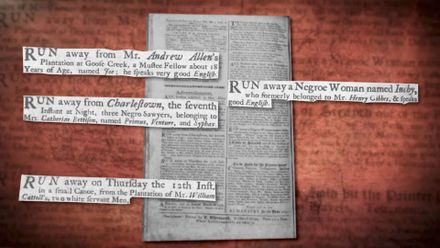
Among runaway slaves, men outnumber women nearly two to one; women do play a role in resistance; women practice several strategies for resistance, critically important because of the prevalence of assault on plantations; a woman named Phibbah.
S1:E8 • May 22, 2020 • 29m
There may have been several slave uprisings in British North America and the United States; delving into the Stono Rebellion of 1739, which is the only significant armed challenge to slaveholders' supremacy on the mainland before the 19th century.
S1:E9 • May 22, 2020 • 30m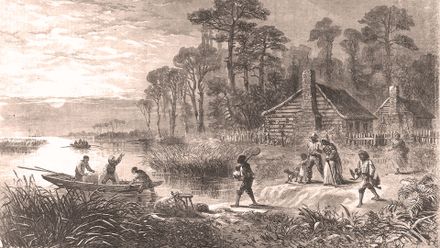
Runaway slaves in Virginia and the Carolinas have limited options; they can head for the coast or down to Spanish-controlled Florida; some runaway slaves simply disappear into the backcountry; where these maroons go; the dangers they face.
S1:E10 • May 22, 2020 • 27m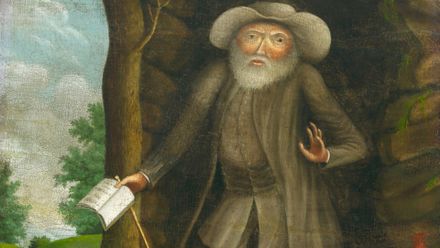
Three important Quaker activists from the 17th and 18th centuries; a hermit writer named Benjamin Lay, a shopkeeper named John Woolman, and a schoolteacher named Anthony Benezet; the transformation in attitudes that occurs during the 18th century.
S1:E11 • May 22, 2020 • 29m
American colonists fight for independence against their British oppressors; free and enslaved African Americans get an opportunity to fight their war against slavery; black militiamen on both sides of the Revolutionary War; the setbacks they face.
S1:E12 • May 22, 2020 • 27m
The American Revolution is a watershed in the history of opposition to African slavery in America; Pennsylvania leads the charge in legal changes; abolition efforts fail in southern states; some slaves strike deals with their masters for manumission.
S1:E13 • May 22, 2020 • 28m
Many abolition efforts gain traction after the American Revolution; an equally powerful revolution to secure the slave system; the reprehensible three-fifths clause and other pro-slavery measures; taking antislavery activists decades to undo.
S1:E14 • May 22, 2020 • 27m
Between 1791 and 1804, the Haitian Revolution tears apart a French Caribbean colony; one of the single largest slave revolts in the history of the world; the only one that has succeeded so far; uncovering what happens in these 13 astonishing years.
S1:E15 • May 22, 2020 • 27m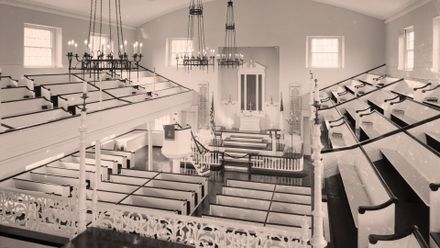
There is more to fighting slavery than achieving legal liberty; the first generation of free black leaders discover this truth in the post-Revolutionary War; the free black population in Philadelphia and New York look for ways to help themselves.
S1:E16 • May 22, 2020 • 28m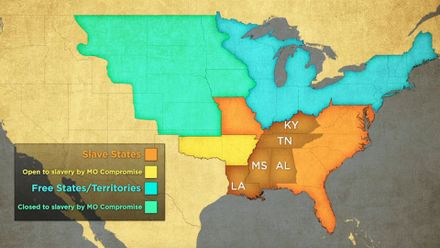
At the turn of the 19th century, social and economic conditions shift; Jefferson passes an act prohibiting the importation of slaves; the mass migration of slaves from Virginia into the Deep South of Louisiana; this migration transforms the country.
S1:E17 • May 22, 2020 • 27m
The colonization movement rises in the 1810s to send black people from America to Africa; the questions this movement poses for African Americans; where is their home and are they African or American; both sides of this controversial movement.
S1:E18 • May 22, 2020 • 30m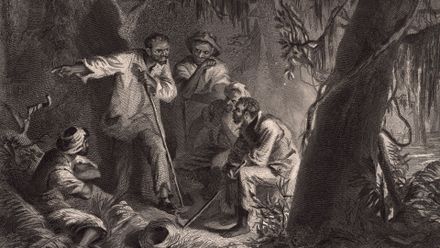
David Walker and Nat Turner transform the debate about slavery in America; their immediate words and deeds terrorize southern slaveholders; forcing legislators to articulate just how far they will go to protect slavery; witnessing their actions.
S1:E19 • May 22, 2020 • 27m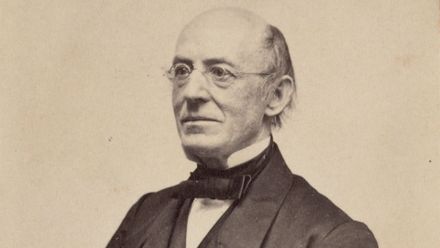
David Walker's words and Nat Turner's actions have a galvanizing effect upon white abolitionists; Garrison and others shift from an attitude of slow change to a stance of immediacy; a campaign to challenge slaveholders' moral authority in the 1830s.
S1:E20 • May 22, 2020 • 26m
The mass migration of the Second Middle Passage changes the nature of resistance to slavery; the threat of separation from families and opposition to their sale to the Deep South; slaves participate in unrelenting resistance; surveying this struggle.
S1:E21 • May 22, 2020 • 24m
The confounding life of Roger Taney, who turns his back on his family's tobacco plantation and manumits many of his own slaves; as the Chief Justice of the Supreme Court, he dramatically expands the rights of slaveholders through infamous decisions.
S1:E22 • May 22, 2020 • 25m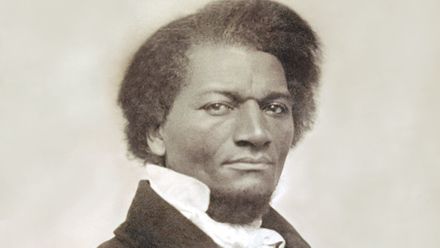
In the wake of a financial crash in 1837, Garrison's abolition movement is sidelined; the 1840s and 1850s see the rise of a more radical phase of American abolitionism; Frederick Douglass's writings; the depictions of suicide in antislavery writing.
S1:E23 • May 22, 2020 • 24m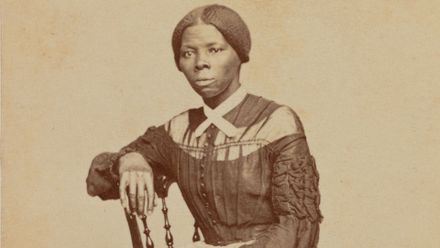
"Uncle Tom's Cabin" is a blockbuster novel that depicts the flight to freedom; two very different vantages; the world of the author, Harriet Beecher Stowe; the life of Harriet Tubman, who is at the center of decisive steps taken by enslaved people.
S1:E24 • May 22, 2020 • 31m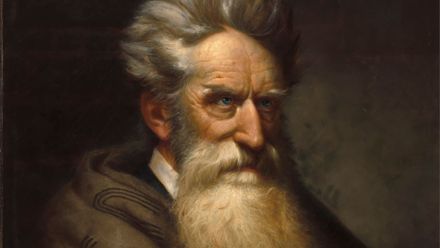
John Brown's failed raid on Harpers Ferry is a famous antislavery action before the Civil War; why this raid is important; whether it is an act of revolution or terrorism; the irony that he achieves in death what he fails to achieve in life.
S1:E25 • May 22, 2020 • 26m
From the war's start, enslaved people assume it to be a war to destroy American slavery; President Lincoln's charge is simply to preserve the union; how this tension plays out on plantations, in Congress and in the White House, during the Civil War.
S1:E26 • May 22, 2020 • 25m
A look at the role of black soldiers; what life is like for them in a predominantly white army; the role of black women during the war, many of whom serve as cooks and nurses in Union hospitals; the incredible wartime career of Harriet Tubman.
S1:E27 • May 22, 2020 • 25m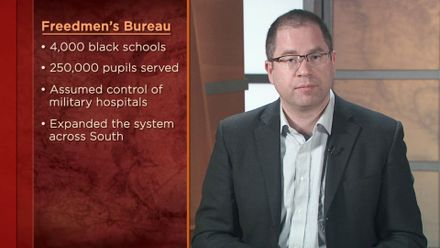
The end of the Civil War brings legalized slavery in the United States to an end; 3.5 million freed slaves in the South step into an uncertain future; the many challenges Americans (white and black, southern and northern) face in the coming years.
S1:E28 • May 22, 2020 • 25m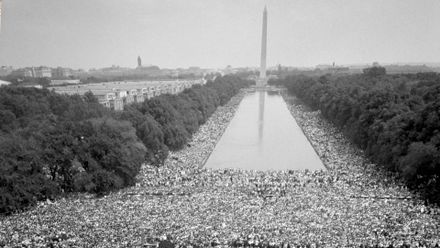
The 13th Amendment outlaws race slavery in America; the Civil War is far in the past; the fight for equal representation among black Americans is an ongoing struggle; the effects of Jim Crow movement; the state of race relations in America today.
S1:E29 • May 22, 2020 • 17m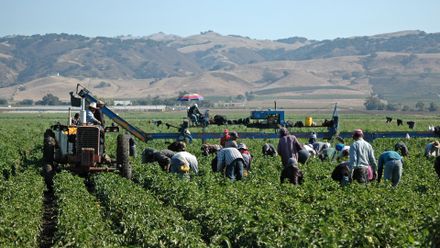
The history of the early 21st century may show racism is alive and so is slavery; around the world, 20 to 40 million people are enslaved; surveying case studies of slaves around the world and in the United States; lessons to draw from history.
S1:E30 • May 22, 2020 • 22m